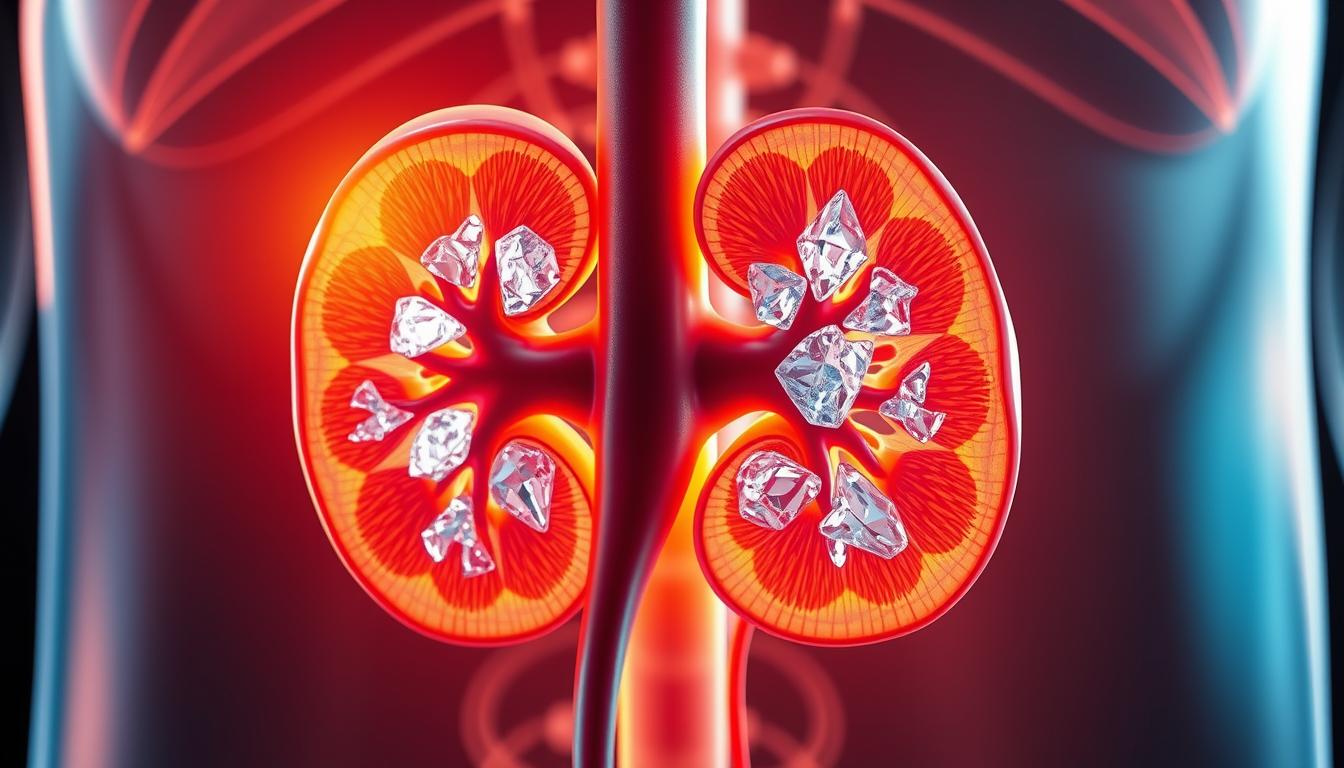
Can Alcohol Cause Kidney Stones? Risks & Links
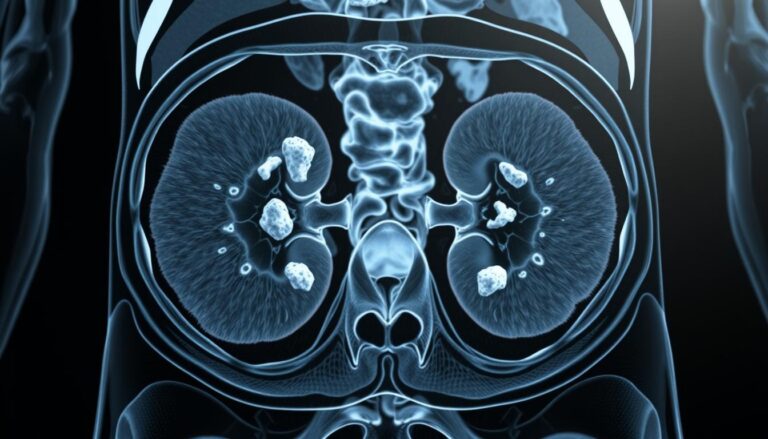
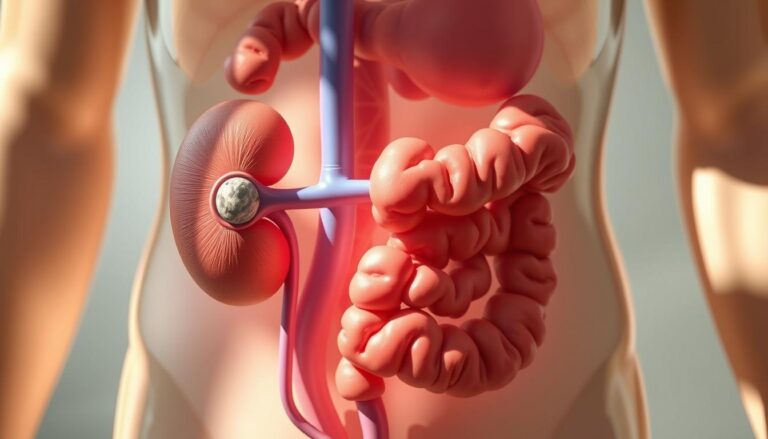
Kidney stones are hard clumps of waste chemicals that form in urine, often calcium oxalate. When the body lacks water, salts and minerals concentrate. This concentration leads to crystal growth, making hydration key in preventing stones.
Flank pain, nausea, and blood in urine are common signs. Small stones might pass on their own, but larger ones require medical attention. This is why people wonder if alcohol can cause kidney stones after experiencing pain post-drinking.
Research does not directly link alcohol to kidney stones. Large studies, including NHANES data, show no clear association after adjusting for various factors. Yet, alcohol indirectly affects kidney health by increasing hypertension and metabolic changes. These conditions can alter stone risk over time.
In summary, occasional moderate drinking doesn’t directly cause most stones. But, heavy drinking and dehydration can increase the risk of stone formation or worsen existing kidney issues.
Overview Of Kidney Stones And Why They Matter
Kidney stones form when minerals and acids in urine crystalize and clump together. They affect roughly 10–20% of people at some point, making them a common cause of sudden medical visits. Understanding kidney stones types helps make sense of prevention and treatment options.
What Kidney Stones Are And Common Types
Most stones are calcium-based, with calcium oxalate stones the most frequent. Diet, genetics, and hydration influence their formation. Uric acid stones arise when uric acid levels are high, often linked with metabolic syndrome and gout. Struvite stones tend to follow repeated urinary infections and are more common in women. Cystine stones are rare and come from a genetic condition that raises cystine in urine.
Typical Symptoms And When To Seek Care
Symptoms vary by stone size and location. Classic kidney stone symptoms include sudden, severe back or flank pain that may radiate to the groin, nausea, vomiting, and blood in urine. Fever or chills suggest infection and raise urgency. Seek care kidney stones if pain is uncontrollable, fever accompanies pain, you cannot urinate, or vomiting prevents fluid intake.
Who Is Most Likely To Get Kidney Stones In The United States
Risk clusters around several factors. Dehydration, prior stones, high-protein diets, and certain surgeries raise risk. Data on kidney stone risk factors US point to higher prevalence with older age, male sex, higher BMI, and smoking history. Obesity and kidney stones show a clear link, as do diabetes kidney stones through metabolic changes. NHANES and other surveys highlight demographic differences; non-Hispanic whites often show higher reported rates in some analyses.
| Stone Type | Typical Cause | Common Risk Factors |
|---|---|---|
| Calcium Oxalate Stones | Calcium plus oxalate crystalization | High-oxalate diet, low fluid intake, genetics |
| Uric Acid Stones | Acidic urine with high uric acid | Gout, metabolic syndrome, high-protein diets |
| Struvite Stones | Infections producing ammonium and phosphate | Recurrent UTIs, female sex |
| Cystine Stones | Inherited cystinuria causing excess cystine | Genetic disorder, early onset stones |
| Alcohol-Related Factors | Indirect: dehydration and metabolic shifts | Alcohol consumption and kidney stone formation, does drinking alcohol increase risk of kidney stones, can alcohol cause kidney stones |
Can Alcohol Cause Kidney Stones
The question “can alcohol cause kidney stones” often surfaces in clinics and on social feeds. Population studies give pieces of the puzzle, yet they do not produce a tidy answer. Readers should note the difference between observed links and proven causation alcohol kidney stones.
Summary Of Current Research Findings From Population Studies
Large cross‑sectional studies, including analyses of NHANES, have explored alcohol and kidney stones in U.S. adults. Many reports find no clear, independent link after adjusting for age, sex, race, BMI and chronic illnesses. Some unadjusted models hinted at protective or harmful patterns for particular drinking behaviors, yet those signals faded once researchers controlled for common risk factors.
Earlier papers show mixed results across countries and methods. Differences in how drinking is measured, the type of stone recorded, and participant health make head‑to‑head comparisons tricky. That variety helps explain why claims about alcohol consumption and kidney stone formation remain unsettled.
Why Direct Causation Is Hard To Prove In Observational Data
Observational study limits matter when asking about impact of alcohol on kidney stone risk. Surveys rely on self‑reported alcohol and past stone events, so recall bias and misclassification are common. Cross‑sectional snapshots cannot show whether drinking came before a stone, which weakens any causal claim.
Confounding factors explain part of the ambiguity. Conditions such as diabetes, hypertension, gout and obesity shape both drinking patterns and stone risk. Adjusting for these variables often removes apparent associations, making it hard to isolate a direct effect of alcohol and kidney stones.
How Large Surveys Like NHANES Have Informed The Question
NHANES combines interviews and exams across cycles to create national health snapshots. Analyses covering 2007–2016 included tens of thousands of adults and multiple alcohol items from the Alcohol Use Questionnaire. Investigators created several alcohol‑related samples to test different patterns and durations.
In these NHANES analyses, no alcohol item consistently predicted urolithiasis after full adjustment. The survey also highlights coexisting burdens: people reporting stones tend to have higher rates of obesity, hypertension and diabetes. Those overlapping risks make it difficult to draw a straight line from alcohol consumption and kidney stone formation to a single causal pathway.
| Study Feature | What It Measures | How It Affects Interpretation |
|---|---|---|
| Design Type | Cross‑sectional versus prospective | Cross‑sectional limits temporal inference; prospective would clarify sequence |
| Alcohol Assessment | Lifetime, recent, frequency, quantity | Variable measures create heterogeneity across studies |
| Stone Outcome | Self‑reported history versus imaging/clinical records | Self‑report risks recall bias and misclassification |
| Covariate Adjustment | Age, sex, race, BMI, diabetes, hypertension, smoking | Adjusting often removes apparent alcohol and kidney stones associations |
| Sample Size | Large national samples like NHANES (tens of thousands) | Greater power but subject to measurement limits |
| Representative Scope | National health survey alcohol kidney stones vs local cohorts | NHANES offers weighted, nationally representative snapshots |
| Common Biases | Recall, misclassification, residual confounding | These biases weaken causal claims about causation alcohol kidney stones |
How Alcohol Physiologically Affects The Kidneys
Alcohol impacts fluid balance and kidney function, affecting both stones and long-term health. Small changes in hormones and filtration can accumulate with frequent or heavy drinking. This section outlines the key connections between alcohol use and kidney chemistry and injury.
Alcohol As A Diuretic And Effects On Hydration Status
Alcohol acts as a diuretic by reducing vasopressin release. This decrease in antidiuretic hormone leads to less water reabsorption in the collecting ducts, increasing urine output.
Dehydration and kidney stones become more likely if fluid intake doesn’t match losses. Concentrated urine, with higher levels of calcium, oxalate, and uric acid, promotes crystal formation.
Impact On Kidney Filtration, Hormones, And Inflammation
Drinking acutely changes how kidneys filter alcohol and shifts hormonal signals. These changes affect glomerular pressure and tubular reabsorption quickly.
Repeated exposure to alcohol can lead to kidney inflammation. This inflammation alters how tubules handle electrolytes and acid-base balance. Such changes influence urine chemistry and crystal formation or dissolution.
Alcohol’s metabolic effects can increase uric acid and insulin resistance. These factors are linked to alcohol’s impact on kidney stones, including uric acid stones.
Long-Term Alcohol-Related Kidney Damage And Scarring
Chronic heavy alcohol use can cause lasting kidney damage. Persistent inflammation and fibrotic healing result in scarring and reduced filtration capacity.
Long-term alcohol use lowers the glomerular filtration rate. This affects electrolyte balance and the body’s ability to clear solutes that form stones. Smoking and heavy drinking together increase risk and accelerate damage.
| Physiologic Effect | Short-Term Mechanism | Potential Stone-Related Outcome |
|---|---|---|
| Diuresis from reduced ADH | Higher urine volume then net water loss if fluids aren’t replaced | Concentrated urine; higher calcium and oxalate levels |
| Altered filtration dynamics | Changes in glomerular pressure and tubular handling of solutes | Variable urine pH and solute clearance affecting crystal formation |
| Hormonal and metabolic shifts | Increased uric acid, insulin resistance | Higher risk for uric acid stones and mixed stones |
| Inflammation and fibrosis | Repeated injury, immune activation, scarring | Chronic alcohol kidney damage with reduced stone-preventing clearance |
| Behavioral interactions | Smoking plus heavy drinking, poor hydration habits | Amplified risk of alcohol kidney scarring and stone recurrence |
Alcohol Consumption And Dehydration As An Indirect Risk Factor
Alcohol can act like a short-term dehydrator. When fluid leaves the body faster than it is replaced, urine becomes concentrated. This concentration makes it easier for salts and minerals to form crystals, leading to kidney stones.
How Concentrated Urine Promotes Crystal Formation
Low urine volume increases the concentration of calcium, oxalate, uric acid, and phosphate. This higher concentration boosts supersaturation, a state that encourages crystal formation. Over time, these crystals can grow into stones.
Dehydration kidney stones are common when the kidneys can’t dilute urine. Those with a history of stones or high urinary oxalate are at higher risk. Concentrated urine for long periods exacerbates this risk.
Typical Drinking Behaviors That Increase Dehydration Risk
Binge drinking increases the risk of kidney stones. Consuming many drinks without water leads to dehydration. Alcohol’s diuretic effect accelerates fluid loss.
Drinking behaviors that lead to dehydration are also seen in hot climates, during travel, or while exercising. Adding alcohol in these situations raises fluid needs, increasing the risk of dehydration stones.
Practical Hydration Advice When Consuming Alcohol
Simple hydration strategies can make a big difference. Drinking a 16-ounce glass of water with each alcoholic drink helps keep urine dilute. This offsets alcohol’s diuretic effect.
Steady fluid intake throughout the day is key. Check urine color; a pale straw shade indicates adequate hydration. For those with a history of stones, clinicians may set specific water targets or recommend 24-hour urine testing.
If severe pain, fever, or blood in the urine occurs, avoid alcohol. It can worsen dehydration and mask symptoms. Seek medical care promptly.
| Situation | Why It Raises Risk | Practical Tip |
|---|---|---|
| Binge drinking | Rapid fluid loss and long gaps without water increase urine concentration | Alternate each alcoholic drink with a 16-ounce water glass |
| Hot weather or exercise plus drinking | Sweat adds extra fluid loss, compounding alcohol’s diuretic effect | Hydrate before and after activity; increase daily water targets around drinking |
| Late-night sessions | Skipping overnight fluids prolongs low urine volume | Have water breaks during gatherings and a glass before bed |
| History of stones | Baseline risk rises; concentrated urine speeds recurrence | Follow clinician-set urine volume goals and ask how to prevent kidney stones when drinking |
Alcohol And Specific Stone Types: Which Are Plausibly Affected
Alcohol’s impact on kidney stones varies by stone type. Some stones are influenced by diet and hydration, while others are linked to infections or genetic factors. This guide explores which stone types might be affected by alcohol consumption and which are not.
Calcium Oxalate Links To Diet And Fluids
Calcium oxalate stones are the most prevalent type. They form when urine contains high levels of calcium and oxalate. Dehydration increases the concentration of these solutes, making it more likely for crystals to form and stick together.
Diet plays a significant role in the formation of these stones. Foods high in oxalate, such as spinach, beets, nuts, chocolate, tea, and soy products, can increase urinary oxalate levels in some individuals. Drinking alcohol can lead to dehydration and alter dietary choices, creating conditions conducive to calcium oxalate stone formation.
Uric Acid Stones And Metabolic Links
Uric acid stones form in acidic, concentrated urine. They are associated with hyperuricemia, gout, obesity, insulin resistance, and diabetes. Alcohol, in particular, can increase uric acid levels and trigger gout attacks.
Regular heavy drinking can lead to weight gain and metabolic changes. These changes contribute to the broader condition known as alcohol metabolic syndrome stones. While the direct causal link is mixed, metabolic disruptions increase the risk of uric acid stones.
Struvite And Cystine: Little Direct Alcohol Role
Struvite stones are caused by infections. Alcohol does not have a direct link to struvite stone formation. Heavy drinking may, theoretically, affect immune function and increase susceptibility to infections.
Cystine stones result from cystinuria, a genetic defect affecting renal amino acid transport. Alcohol has a minimal role in cystine stone formation. Management focuses on maintaining high fluid intake and urine alkalinization under medical supervision.
| Stone Type | Main Drivers | How Alcohol Might Matter |
|---|---|---|
| Calcium Oxalate | High urinary calcium and oxalate; low urine volume | Indirectly via dehydration and altered eating; linked to oxalate foods |
| Uric Acid | Acidic, concentrated urine; hyperuricemia, metabolic disease | Alcohol raises uric acid and can worsen metabolic risk; gout alcohol kidney stones connection noted |
| Struvite | Recurrent urinary tract infections with urease-producing bacteria | No direct causal link; theoretical immune effects from heavy drinking |
| Cystine | Inherited cystinuria causing high urinary cystine | Alcohol has no causal role; prevention focuses on fluids and alkalinization |
Epidemiology: What Studies Show About Alcohol And Kidney Stone Prevalence
The study of alcohol and kidney stones reveals both clear patterns and puzzling gaps. Large surveys and smaller cohorts have provided a range of signals. These findings suggest there is no straightforward answer. It’s important to consider study design, population mix, and how drinking and stones were measured.
Findings That Show No Significant Association After Adjustment
Several analyses have reported neutral results after adjusting for common risk factors. The NHANES kidney stones alcohol study, using data from 2007–2016, found no link between alcohol and kidney stones. This was after adjusting for age, sex, race, BMI, comorbidities, and smoking. Crude questionnaire results often disappeared in fully adjusted models, a pattern seen in other studies.
Studies Suggesting Mixed Or Protective Associations And Possible Explanations
Earlier or unadjusted reports sometimes showed mixed evidence or even protective signals for moderate drinking. Proposed explanations include increased fluid intake and lifestyle differences among moderate drinkers. Lifestyle factors like diet and activity levels can differ between drinkers and nondrinkers, leading to residual confounding.
Limitations Of Cross-Sectional And Self-Reported Data
Many assessments rely on snapshots, not follow-up, so causation cannot be established. Self-report adds uncertainty. The limitations of self-reported alcohol data in NHANES include variability in question wording and missing responses. These issues make pooling data challenging and highlight the need for prospective cohorts with standardized measures.
Other Alcohol-Related Risk Factors That Raise Kidney Stone Risk
Alcohol’s impact on health can lead to conditions that increase the risk of kidney stones. The calories in beer, wine, and spirits contribute to weight gain over time. This weight gain is linked to metabolic changes that favor stone formation, making alcohol obesity kidney stones a significant concern in public health.
Alcohol also influences pathways leading to type 2 diabetes and high blood pressure. Both conditions are associated with a higher risk of kidney stones, as shown in national surveys. Phrases like alcohol diabetes kidney stones and alcohol hypertension kidney stones highlight how drinking can be part of a larger metabolic puzzle.
Medication choices can subtly alter risk levels. Many individuals take diuretics, calcium-containing antacids, or antibiotics that change urine chemistry. When alcohol is added to these drugs, the risk of medication interactions alcohol kidney stones becomes a topic for discussion with a healthcare provider.
Some beverages, like caffeinated drinks and alcohol, act as mild diuretics. They affect urine volume and concentration, which can aid in crystal formation. The term diuretic drinks stones reminds us that the type of fluid consumed matters for crystal formation. Alcohol diuretics kidney shows that alcohol itself can reduce fluid stores and alter urine components.
Mixing alcohol with pain relievers or certain antibiotics can worsen dehydration or kidney stress. This increases the chance that a forming crystal will grow into a symptomatic stone. It’s important to discuss prescriptions and over-the-counter remedies with a provider when drinking is part of one’s lifestyle.
Tobacco use compounds the danger. Studies show that smokers who drink heavily face much greater kidney harm than social drinkers who do not smoke. Smoking alcohol kidney disease and smoking and alcohol kidney stones point to combined exposures that erode renal resilience.
When habits collide, risks expand. Public health analyses often describe a combined risk kidney stones or kidney disease that far exceeds the sum of each behavior alone. The interaction of smoking, excess calories, hypertension, and alcohol creates a web of factors that favors stone formation.
Practical steps include checking medications for interactions, balancing alcohol with water, and watching weight and blood pressure. A clinician can help map personal risk and offer alternatives where medication interactions alcohol kidney stones or alcohol diuretics kidney are concerns.
| Risk Factor | How Alcohol Contributes | Practical Action |
|---|---|---|
| Obesity | Extra calories from alcohol promote weight gain linked to higher stone risk | Limit caloric drinks; choose lower-calorie options and monitor weight |
| Type 2 Diabetes | Alcohol affects glucose metabolism and insulin sensitivity that relate to uric acid stones | Screen glucose regularly; discuss drinking patterns with a clinician |
| Hypertension | Chronic heavy drinking raises blood pressure and alters renal filtration | Track blood pressure; reduce intake if readings are high |
| Medication Interactions | Alcohol can amplify side effects or change urine chemistry with diuretics and NSAIDs | Review prescriptions with a pharmacist or doctor before drinking |
| Diuretic Beverages | Caffeine and alcohol increase urine output and concentration, aiding crystal growth | Balance each alcoholic drink with water; avoid dehydration |
| Smoking Plus Drinking | Combined exposures multiply kidney injury risk and may accelerate stone susceptibility | Consider cessation resources and cut back on heavy drinking |
Can Drinking Alcohol Impact Passing Or Treating An Existing Stone?
Many wonder if a drink can aid in passing a kidney stone. The truth is, alcohol does not facilitate stone passage. While it may briefly increase urine output, it leads to dehydration. This dehydration can cause the stone to become lodged, intensifying pain.
Does Alcohol Help Pass Stones Or Make Passage More Difficult?
Experts and clinical guidelines confirm alcohol’s ineffectiveness in dislodging stones. The notion that alcohol can flush out a stone is a myth. The temporary increase in urine output from alcohol is followed by dehydration. This dehydration thickens urine, making it harder for the stone to pass.
Pain, Dehydration, And When Alcohol Can Worsen Symptoms
Kidney stone episodes can cause severe pain, nausea, and vomiting. Alcohol exacerbates dehydration pain stones by reducing fluid intake and disrupting salt balance. Combining alcohol with pain medications can lead to sedation, stomach bleeding, or liver damage. If symptoms like fever, chills, or infection signs appear, alcohol should be avoided and immediate medical attention sought. Such complications can be life-threatening.
Standard Medical Treatments And When To Avoid Alcohol
Treatment options vary from conservative management to more invasive procedures. Small stones are often treated with fluids, pain management, and selective medical therapy. Larger or stuck stones may require shock wave lithotripsy, ureteroscopy, or percutaneous nephrolithotomy. For these treatments, it’s advised to avoid alcohol to prevent complications.
Alcohol should be avoided before procedures to prevent anesthesia issues, bleeding risks, and dehydration. Consult with your urologist or nephrologist for specific guidelines. Clear advice is essential to ensure a safe recovery and prevent complications related to alcohol use during kidney stone treatments.
Practical Guidance: Reducing Kidney Stone Risk Related To Alcohol Use
Alcohol can alter urine and metabolism, impacting kidney stone risk. Practical steps include maintaining steady fluid intake, making smart food choices, and consulting a clinician when risks increase. Small daily habits can significantly reduce the risk of alcohol-related kidney stones without requiring drastic lifestyle changes.
Hydration Strategies And Water Targets Around Drinking
Drink about 16 ounces (500 mL) of water for each alcoholic beverage to counteract diuresis and keep urine diluted. Opt for pale straw-colored urine instead of dark yellow as a simple indicator. Clinicians may suggest specific 24-hour urine volume targets for those prone to stone formation.
Avoid binge drinking, which can quickly disrupt fluid balance. Aim for consistent daily fluid intake between drinking episodes to prevent concentrated urine that facilitates crystal formation. These hydration strategies can reduce kidney stress and aid in alcohol-related kidney stone prevention.
Dietary Adjustments To Lower Crystal-Forming Urine Components
To prevent calcium oxalate stones, limit foods high in oxalate like spinach, beets, nuts, chocolate, strong tea, and soy. Maintain normal dietary calcium intake; excessive reduction can increase oxalate absorption. Increase citrate intake through citrus fruits to help prevent crystal formation.
To lower uric acid risk, reduce consumption of high-purine foods such as red meat and certain seafood. Beer, in particular, raises uric acid levels more than other drinks, so moderation is key. Targeted dietary changes can help form a reduce uric acid diet that supports stone prevention.
Collaborate with a dietitian for a personalized plan. A tailored diet based on stone type and a 24-hour urine test is more effective than generic advice. Simple adjustments in salt, protein, and oxalate intake can reduce stone risk while keeping meals enjoyable.
When To Talk With Your Doctor About Alcohol And Stone Prevention
Discuss your habits if you have a history of kidney stones, gout, diabetes, high blood pressure, chronic kidney disease, or heavy alcohol use. A clinician can set personalized hydration goals, order a 24-hour urine study, and provide diet advice tailored to your test results.
Seek immediate care for severe flank pain, fever, uncontrolled vomiting, or inability to urinate. Inform providers about recent alcohol consumption and medications during acute episodes and before procedures. Knowing when to seek medical advice can help avoid complications and ensure timely treatment.
- Keep water with alcohol on hand and sip between drinks.
- Limit binge drinking and follow moderate guidelines.
- Cut oxalate foods reduce stones when appropriate.
- Adopt a reduce uric acid diet if prone to uric acid stones.
- Talk to doctor alcohol kidney stones for tailored testing and goals.
Conclusion
Can alcohol cause kidney stones? The short answer is no, not directly. Large U.S. surveys, including NHANES analyses, show no strong link after adjusting for diet, weight, and health conditions. Yet, research indicates alcohol can impact kidney function through diuresis and metabolic effects, which are relevant for stone formation.
The most accurate view is that alcohol’s impact is indirect. It can lead to dehydration, alter urine concentration, and contribute to obesity, diabetes, and high blood pressure. These factors increase the risk of developing kidney stones. This makes alcohol a concern for stone risk, even if it’s not a direct cause.
To prevent stones, simple steps are effective: drink in moderation, consume water with alcohol, and adhere to dietary recommendations to reduce calcium, oxalate, and uric acid intake. Individuals with recurrent stones or chronic kidney disease should consult a healthcare provider for specific guidance. In general, staying hydrated, monitoring diet, and managing alcohol consumption are key to preventing kidney stones.
FAQ
Can drinking alcohol directly cause kidney stones?
Current evidence does not prove a direct causal link between alcohol consumption and kidney stone formation. Large population analyses, including pooled NHANES data, generally show no independent association after adjusting for age, sex, BMI, smoking and other health conditions. Alcohol can, though, influence kidney function and metabolic factors that indirectly raise stone risk.
How does alcohol affect the kidneys in ways that might influence stone risk?
Alcohol acts as a diuretic, suppressing vasopressin (ADH), which increases urine output. If water isn’t replaced, this can lead to dehydration. Concentrated urine raises the supersaturation of calcium, oxalate, and uric acid, promoting crystal formation. Chronic heavy drinking can also cause renal inflammation, metabolic changes (insulin resistance, hyperuricemia) and long-term kidney damage that indirectly affect stone risk.
Could alcohol make a kidney stone episode worse or interfere with treatment?
Yes. Alcohol can worsen dehydration and nausea, interfere with pain control or antibiotics, and mask symptoms such as fever. It does not help pass stones and may make pain management harder. Patients with severe pain, fever, uncontrolled vomiting, or inability to urinate should avoid alcohol and seek urgent care.
Are certain types of kidney stones more likely to be linked to alcohol?
Indirect links vary by stone type. Calcium oxalate stones—most common—are driven by concentrated urine and dietary oxalate; alcohol mainly acts indirectly via hydration and diet. Uric acid stones relate to hyperuricemia and metabolic syndrome; beer and spirits can raise uric acid and contribute to risk. Struvite and cystine stones have infection- or genetic-driven causes and are not directly caused by alcohol.
Do population studies ever show an association between alcohol and stones?
Some unadjusted or crude analyses have suggested positive or even protective associations, but those signals typically disappear after adjusting for confounders like age, sex, BMI, comorbidities and smoking. Cross-sectional surveys rely on self-report and cannot prove timing—so evidence to date is mixed but leans toward no independent direct effect.
How does dehydration from drinking raise stone risk?
When urine volume falls, concentrations of stone-forming solutes (calcium, oxalate, uric acid) increase, making supersaturation and crystal nucleation more likely. Binge drinking, late-night drinking without water, hot-weather drinking, or drinking while physically active all raise the chance of net fluid loss and more concentrated urine.
What practical hydration advice reduces alcohol-related stone risk?
Pair each alcoholic drink with about 16 ounces (500 mL) of water, sip water steadily during and after drinking, and aim for pale-straw urine color. For people with recurrent stones, clinicians may recommend specific 24-hour urine volume targets based on testing. Avoid binge sessions and prioritize rehydration when traveling or exercising.
Should people with gout, obesity, diabetes or prior stones limit alcohol more strictly?
Yes. Those conditions raise stone risk and can be worsened by heavy alcohol use. Beer and spirits can raise uric acid, increasing uric acid stone risk and gout flares. People with prior stones or metabolic comorbidities should discuss tailored guidance with their clinician, including hydration goals, dietary changes and possibly 24-hour urine testing.
Can alcohol interact with medications used for stones or procedures?
Alcohol can interact with analgesics, antibiotics and sedatives, increasing side effects and complicating care. It can also worsen bleeding risk around procedures and dehydration during recovery. Avoid alcohol before and after urologic procedures and disclose alcohol use to your medical team.
Bottom line—does drinking alcohol increase my chance of getting kidney stones?
Drinking alcohol is not a proven direct cause of kidney stones, but it can contribute indirectly by dehydrating the body and promoting metabolic conditions (obesity, diabetes, high uric acid) that raise stone risk. Moderation, consistent hydration, sensible diet, and medical follow-up for recurrent stone formers are the best practical steps.