Can Kidney Stones Cause Constipation?
Kidney stones often lead people to question if urinary pain can affect bowel habits. Typically, adults between 30 and 60 years old experience stones. While some pass small crystals without issue, others face severe, obstructive pain. Constipation, too, is widespread, ranging from occasional to persistent discomfort.
This article delves into the connection between kidney stones and constipation. It examines how different stone types, nerve pathways, and medications can influence digestion. It also discusses shared risk factors like dehydration, symptoms like abdominal pain and nausea, and diagnostic steps. Treatments that impact bowel function are also covered.
Readers will gain insight into how kidney stones affect the digestive system. They will understand why constipation can occur indirectly due to kidney stones. Practical advice on recognizing when symptoms require immediate attention is provided.
What Are Kidney Stones and How They Form
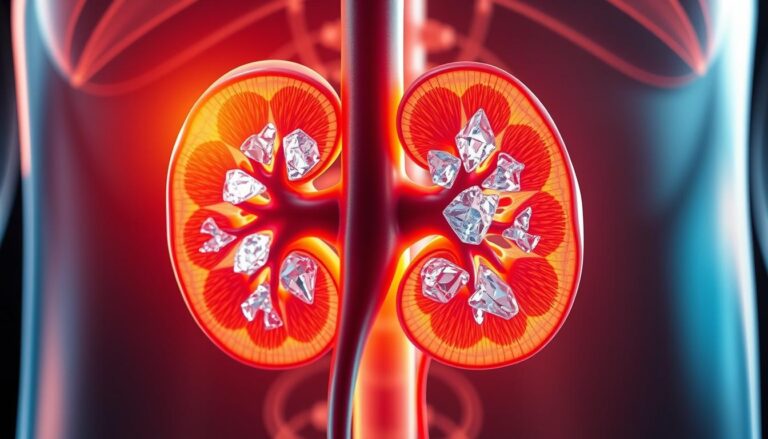
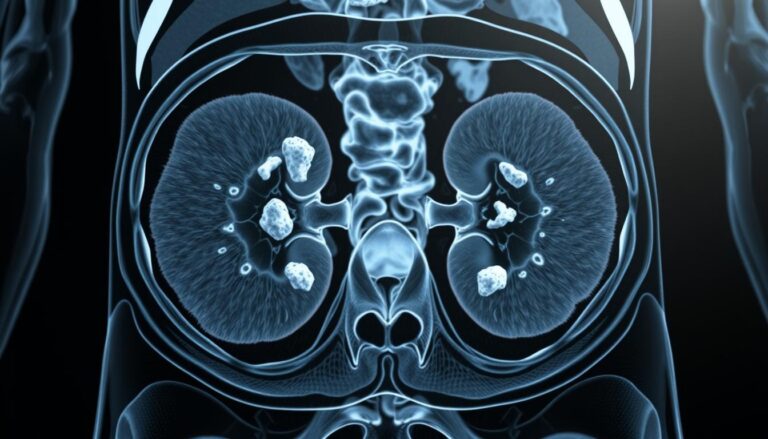
Kidney stones are hard mineral and salt crystals that form in the kidneys. They vary in size, from a grain of rice to a golf ball. Small stones may pass unnoticed. But larger stones can block urine flow, causing sharp pain.
The following sections will explore the different types of kidney stones, their causes, and risk factors.
Types
Calcium oxalate stones are the most common. Uric acid stones form in acidic urine and may dissolve with treatment. Struvite stones grow quickly after infections. Cystine stones are rare, caused by an inherited disorder.
Risk Factors
Dehydration is a major risk factor. It concentrates minerals, allowing crystals to form. Diets high in salt or animal protein also increase risk. Obesity and a family history of stones are other factors.
Locations, Sizes, And Symptom Links
Stones form in kidney calyces and can move to other areas. Stones under 4 mm often pass within a week or two. But stones over 5–10 mm usually need medical intervention.
Small stones may not cause symptoms. Pain occurs when a stone blocks the kidney or ureter. This can lead to intense flank pain and changes in bowel habits.
| Feature | Common Examples | Typical Size Range | Clinical Notes |
|---|---|---|---|
| Calcium Oxalate | Calcium oxalate monohydrate | Often small to medium (mm) | Most common; related to diet and urine calcium; may recur |
| Uric Acid | Uric acid crystals | Small to large (mm) | Forms in acidic urine; may dissolve with alkalinizing therapy |
| Struvite | Magnesium ammonium phosphate | Can grow large, staghorn shapes | Associated with infection; may require surgical removal |
| Cystine | Cystine from hereditary cystinuria | Variable, often recurrent | Genetic; tends to form multiple, recurrent stones |
| Risk Factors | Dehydration, high-salt diet, obesity, gout, IBD | N/A | Increase stone risk and affect prevention strategies |
| Passage Likelihood | <4 mm vs >5–10 mm | Under 4 mm likely to pass; over 10 mm less likely | Size predicts need for intervention and symptom intensity |
Overview of Constipation and Normal Bowel Function
Changes in bowel habits are noticeable. A clear definition of constipation helps distinguish occasional delays from persistent issues. Clinicians generally define constipation as slow intestinal transit, hard, infrequent stools, and difficulty in passing them.
Normal bowel movements vary widely. Many people experience bowel movements three times a day to three times a week, feeling fully emptied. Abnormal patterns include reduced frequency, excessive straining, or a feeling of incomplete evacuation.
Definition And Frequency
Constipation is more than just less frequent bathroom visits. It often involves hard or lumpy stools, prolonged straining, and smaller stool volume. Monitoring frequency against normal bowel movements helps identify when to seek medical attention.
Common Triggers
Diet and hydration are key factors in constipation. Low fiber intake and inadequate fluid slow down transit. Sedentary lifestyles also reduce gut motility. Several medications, including opioids and anticholinergics, can cause sluggish bowels.
Medical conditions like metabolic disorders and neurologic diseases can alter muscle tone or nerve signals that drive digestion. In the context of kidney stones, dehydration and pain medications used for renal colic are frequent contributors to constipation.
Warning Signs
Not all constipation requires urgent care. Persistent bloating, severe abdominal pain, repeated vomiting, or an inability to pass stool despite an urge are red flags. Sudden, severe changes in bowel habits need immediate medical evaluation.
| Feature | Normal Range | When It Suggests A Problem |
|---|---|---|
| Frequency | 3 times/day to 3 times/week | Less than 3 times/week for several weeks with discomfort |
| Stool Consistency | Soft to formed | Hard, pebble-like, or very narrow stools |
| Effort | Minimal straining | Frequent, prolonged straining or digital maneuvers |
| Associated Symptoms | Occasional bloating | Persistent bloating, severe pain, vomiting |
| Relevant Overlap | Hydration and diet affect both | Symptoms of kidney stones and constipation can coexist when dehydration or medications are present |
Can Kidney Stones Cause Constipation
Kidney stones and bowel troubles often appear together. The pain from a stone can affect the nervous system, slowing down the gut. This creates a link between urinary issues and changes in stool patterns.
Mechanisms Linking Urinary Pain To Bowel Changes
Renal colic shares nerve pathways in the lower abdomen and pelvis. This overlap can cause referred pain, mimicking bowel problems. It explains why some people experience constipation due to kidney stones.
The connection between kidney stones and the gut-brain axis is significant. Severe pain and stress alter communication between the brain and gut. This can lead to harder stools, bloating, or even diarrhea in some individuals.
Indirect Contributors: Fluids And Medications
Dehydration is common during attacks, as people avoid drinking due to pain. Reduced water intake makes stool harder, increasing constipation risk. This is why constipation often accompanies kidney stones in medical records.
Strong painkillers, like opioids, slow down bowel movement. Anticholinergic drugs and some antiemetics have similar effects. Using these for renal colic can lead to opioid-induced constipation.
Mechanical Effects And Urinary Retention
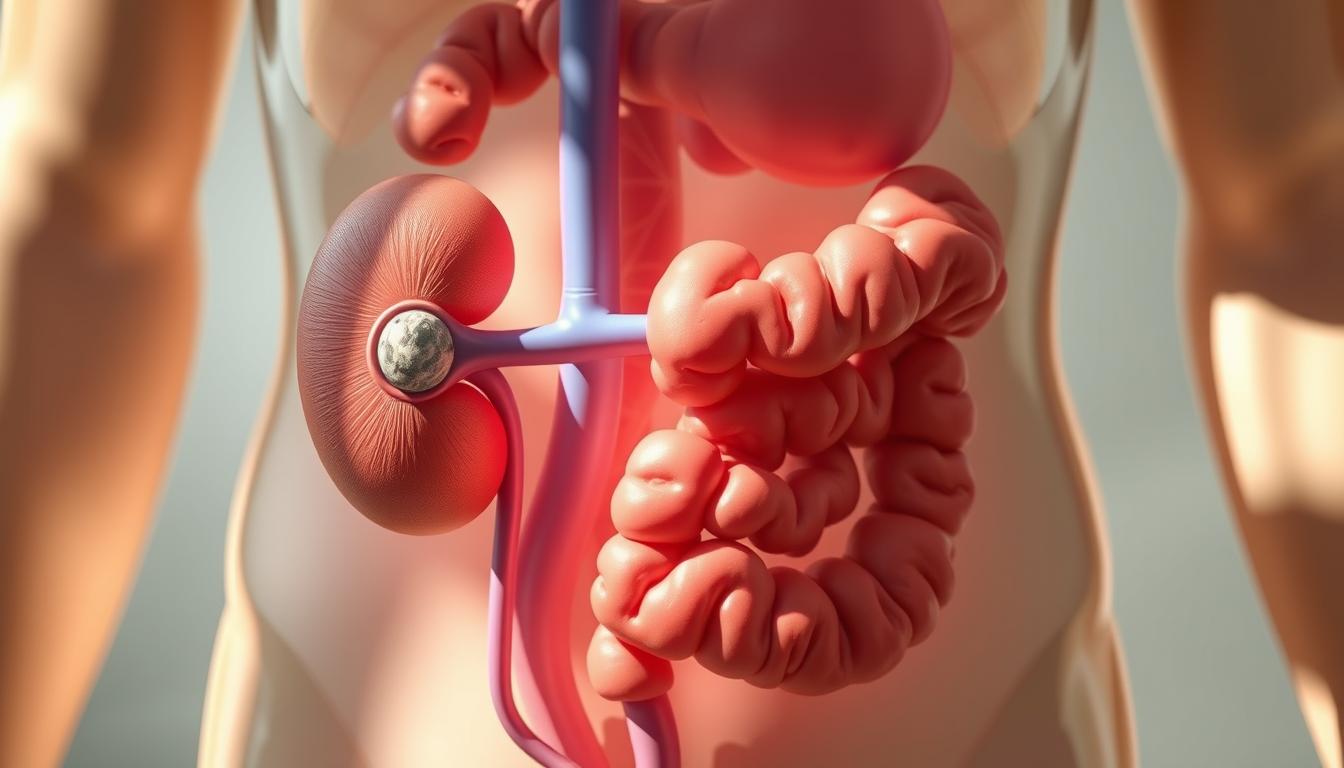
Large stones or obstruction near the bladder can cause urinary retention and bladder distension. A distended bladder may press on adjacent bowel loops, altering normal transit.
In rare cases, severe ureteral blockage can change kidney function, affecting gut flora and motility. This provides a mechanical and metabolic pathway linking urinary obstruction to bowel habit shifts.
| Pathway | How It Works | Typical Signs |
|---|---|---|
| Nerve Overlap | Pain signals from ureter or kidney engage pelvic nerves shared with the bowel. | Lower abdominal pain, slowed bowel movements, constipation |
| Gut-Brain Axis | Pain and stress alter central signaling, changing gut motility and secretion. | Bloating, variable stool consistency, reduced appetite |
| Dehydration | Reduced fluid intake during attacks makes stools firmer and harder to pass. | Infrequent, dry stools; straining during bowel movements |
| Medications | Opioids and anticholinergics slow intestinal transit and reduce secretions. | Persistent constipation while on therapy |
| Mechanical Compression | Large stones or bladder distension press on bowel loops or alter pelvic anatomy. | Local fullness, constipation, rare obstruction signs |
Shared Risk Factors for Kidney Stones and Constipation
Health patterns in the urinary tract and gut often overlap. This means the same habits and conditions that increase kidney stone risk also slow down bowel transit. Identifying these shared risk factors is key to taking simple, effective prevention steps.
Dehydration concentrates urine, leading to more crystal formation in the kidneys. It also makes stool harder to pass. For those prone to stones, drinking plenty of water helps prevent recurrence and improves bowel movement frequency.
Low Fluid Intake: How Dehydration Contributes to Both Conditions
Dehydration increases mineral concentration in urine, promoting crystal formation. In the gut, less water results in drier, slower-moving stools. Doctors advise drinking water consistently throughout the day, not in large gulps.
Dietary Patterns: High Salt/Protein and Low Fiber Effects
Diets rich in salt and animal protein raise urinary calcium and uric acid levels. This environment fosters stone formation. Low fiber diets also slow bowel movement, increasing constipation risk. A balanced diet, including vegetables, whole grains, and legumes, supports both urinary health and regular bowel movements.
Comorbid Conditions That Predispose to Both (IBD, Metabolic Disorders)
Inflammatory bowel disease (IBD) increases kidney stone risk through altered absorption and inflammation. Metabolic disorders, such as hyperparathyroidism, affect calcium handling and can cause constipation. Studies link stone history to higher IBS rates, indicating common medical drivers.
| Risk Factor | How It Affects Kidneys | How It Affects Bowel | Practical Tip |
|---|---|---|---|
| Low Fluid Intake | Increases urine concentration; promotes crystal formation | Leads to firmer stool; slows transit | Drink evenly through day; aim for pale urine |
| High Salt / High Animal Protein | Raises urinary calcium and uric acid | May reduce dietary fiber intake indirectly | Swap processed foods for plant proteins and lower salt |
| Low Dietary Fiber | Indirectly linked via poor diet quality and weight | Reduces stool bulk; prolongs colonic transit | Add fruits, vegetables, whole grains gradually |
| Inflammatory Bowel Disease | Alters absorption; raises urolithiasis risk | Causes chronic bowel dysfunction and irregularity | Coordinate care with gastroenterology and nephrology |
| Metabolic Disorders (e.g., Hyperparathyroidism) | Disrupts calcium balance; increases stone risk | Can cause constipation through electrolyte changes | Investigate underlying endocrine causes with blood tests |
When lifestyle and medical factors overlap, prevention becomes more effective. Addressing hydration, diet, and bowel habits simultaneously can reduce the burden of both kidney stones and constipation. Small, consistent changes in fluid intake and diet can lead to noticeable improvements in urine tests and daily life.
How Kidney Stone Symptoms Overlap with Gastrointestinal Symptoms
When a stone moves through the urinary tract, the body often responds beyond the kidneys. Sharp, shifting pain in renal colic prompts reflex responses in the gut. This cross-talk explains why bowel habits can change and why GI symptoms of kidney stones appear alongside classic urinary complaints.
Common GI Symptoms During Renal Colic
Renal colic symptoms commonly include intense flank pain that triggers nausea and vomiting. Abdominal cramping and bloating are frequent. Appetite loss often follows severe pain because strong pain signals activate brainstem centers that drive the emetic reflex.
Referred Pain Patterns And Bowel Habit Changes
As a stone travels from the flank toward the bladder, pain can radiate into the lower abdomen and groin. This referral can mimic appendicitis or a bowel disorder. The altered nerve input may slow or speed intestinal transit, producing constipation or loose stools during an episode.
When GI Symptoms Indicate Complications
Certain signs raise concern for infection or obstruction. Fever, chills, persistent vomiting, bloody urine, or inability to urinate suggest pyelonephritis or blocked flow and need prompt evaluation. Severe abdominal distension or worsening systemic signs may indicate uremia or rare mechanical effects on the bowel caused by a distended bladder.
Some studies report a higher risk of new-onset IBS in the months after a stone episode. This suggests that the interaction between kidney stones and bowel movements can outlast the acute event. Clinicians watch for red flags and consider both urinary and GI causes when symptoms overlap.
Medication and Treatment Side Effects That Affect Bowel Movements
Pain from kidney stones often leads to quick medication choices. These choices can ease renal colic but impact digestion. Doctors weigh relief against gastrointestinal side effects when treating stones.
Opioid analgesics like hydromorphone and morphine slow down the gut by activating mu-opioid receptors. This increases the risk of constipation. To manage renal colic, doctors often use opioid-sparing strategies and start laxatives early.
Opioid Analgesics And Gut Effects
Opioids help with severe ureteral pain but slow down bowel movements. Doctors might prescribe stool softeners, laxatives, or naloxegol for constipation. Discussing opioids constipation kidney stones before discharge helps patients prepare for symptoms.
Antiemetics, Antispasmodics, And Motility
Medications for renal colic side effects vary. Ondansetron and metoclopramide treat nausea differently. Ondansetron can cause mixed effects on transit, while metoclopramide speeds up gastric emptying. Antispasmodics can lower cramping but may worsen constipation.
Care teams balance antiemetics with laxatives or recommend more fluids and fiber. Tailoring therapy helps avoid prolonged kidney stones side effects on digestion.
Procedures And Temporary Bowel Changes
Procedures like ESWL, ureteroscopy, or PCNL usually clear obstructions. Anesthesia, limited activity, and short opioid courses can slow down bowels temporarily.
Postoperative urinary catheters, bladder distension, or urinary retention can cause discomfort. Monitoring recovery and using conservative measures helps restore normal function faster.
| Intervention | Common Bowel Impact | Mitigation Strategies |
|---|---|---|
| Opioid Analgesics (hydromorphone, morphine) | Marked slowing of intestinal transit; constipation | Prophylactic stool softener, osmotic laxative, consider naloxegol; opioid-sparing plan |
| Antiemetics (ondansetron, metoclopramide) | Variable effect on transit; nausea relief | Choose agent by symptom profile; monitor stool frequency; hydrate and use fiber |
| Antispasmodics (dicyclomine, hyoscine) | Reduced cramping; potentially worsen constipation | Limit use if constipation risk is high; combine with laxatives if needed |
| ESWL, Ureteroscopy, PCNL | Short-term bowel slowing from anesthesia, immobility, periop opioids | Encourage ambulation, early oral fluids, bowel regimen when indicated |
| Urinary Catheter/Retention | Pain and bladder distension can create pelvic pressure affecting bowel comfort | Timely catheter care, monitor output, address retention to relieve symptoms |
When discussing options, doctors often mention kidney stones side effects on digestion. They plan to reduce these effects. Clear instructions about fluids, fiber, and laxatives improve comfort during recovery.
Complications of Kidney Stones That Can Cause Severe Bowel Issues
Kidney stones can cause more than just flank pain and blood in the urine. Sometimes, a blocked urinary tract or an infected stone can lead to abdominal pain that feels like a bowel disease. This connection between the urinary and gut systems is critical when symptoms worsen rapidly.
Urinary retention and bladder distension can occur with a large obstructing stone or bladder-neck blockage. When the bladder overfills, it can press on nearby bowel loops. This pressure can slow transit, cause severe constipation, or in rare cases produce mechanical obstruction documented in case reports.
Prolonged renal or ureteral blockage has systemic effects beyond local pain. Blood levels of metabolic waste rise, a state known as uremia, and this can alter the colonic environment and microbiome. Changes in uremia and gut flora have been associated with both diarrhea and constipation and may increase vulnerability to infections such as C. difficile in hospitalized patients.
Some scenarios demand urgent care. An infected, obstructing stone can lead to sepsis with fever, chills, low blood pressure, and worsening abdominal pain. Complete bowel obstruction from external compression or a combination of pathologies also needs immediate surgical assessment and coordination with urology.
Clinicians should remember that most gastrointestinal effects linked to stones are temporary. Yet, recognizing red flags—rapid abdominal distension, inability to pass gas, high fever, or shock—helps ensure prompt treatment when kidney stones complications escalate.
| Complication | How It Affects Bowel Function | Signs That Require Urgent Care |
|---|---|---|
| Urinary Retention / Bladder Distension | External compression of colon leading to slowed transit or mechanical obstruction | Severe abdominal pain, loss of bowel movements, visible abdominal swelling |
| Renal/Ureteral Obstruction with Uremia | Metabolic waste alters gut environment; shifts in microbiota can cause constipation or diarrhea | Confusion, decreased urine output, rising creatinine, persistent GI symptoms |
| Infected, Obstructing Stone | Inflammation and systemic illness can impair motility and promote ileus | High fever, hypotension, rapid heart rate, worsening abdominal exam |
| Combined Pathology (Compression + Bowel Disease) | Dual mechanisms produce severe obstruction, risk of ischemia | Complete inability to pass stool or flatus, peritoneal signs, sepsis indicators |
Diagnosis: How Clinicians Evaluate Kidney Stones and Constipation Together
When symptoms of both urinary and bowel issues appear, a detailed history and physical exam are key. Clinicians look at the timing of pain, changes in bowel habits, visible blood in urine, fever, nausea, and past episodes. They also check for localized tenderness in the abdomen and flank. Bladder palpation can reveal retention, linking urinary and bowel symptoms.
History And Physical Clues
Doctors investigate whether abdominal pain occurred before or after constipation. Sudden, sharp flank pain with constipation suggests a stone irritating nerves. They also consider recurrent urinary tract infections, prior stones, or recent opioid use, as these can affect both conditions.
Imaging And Tests For Abdominal And Urinary Issues
Non-contrast CT scans are the primary tool for suspected stones. They reveal size, density, and location. Ultrasound is preferred for pregnant patients and bedside use. Plain abdominal x-rays (KUB) help track radiopaque stones and bowel gas.
For bowel issues, abdominal x-rays or CT abdomen/pelvis scans can detect obstructions or severe constipation. Targeted GI testing, like colonoscopy or transit studies, is based on chronic symptoms and alarm signs such as weight loss or bleeding.
Laboratory Workup And When To Refer
Urinalysis checks for blood and infection. If infection is suspected, a urine culture guides antibiotic treatment. Blood tests include a complete blood count, electrolytes, and creatinine to assess kidney function. Stool testing may be part of investigations for chronic bowel symptoms.
Referral is necessary for persistent or high-risk symptoms. Urology is consulted for obstructing or infected stones. Gastroenterology is involved for ongoing bowel issues or alarm features. Multidisciplinary care is essential for complex cases.
Management Strategies to Treat Both Kidney Stones and Constipation
Care plans that address the urinary tract and the gut together reduce pain and speed recovery. Practical measures help manage kidney stones constipation while improving bowel regularity. A mix of fluids, food changes, medicines, and timely procedures forms the roadmap clinicians use.
Hydration And Dietary Interventions
Aim for about 2–3 quarts (roughly 2–3 liters) of water per day to keep urine dilute and prevent dehydration-related constipation. Steady fluid intake supports stone passage and softens stool. This hydration fiber kidney stones approach pairs water with fiber-rich foods.
Increase soluble and insoluble fiber from fruits, vegetables, legumes, and whole grains. Fiber supplements such as psyllium help when diet falls short. Cut excess salt and limit animal protein to reduce stone risk without compromising nutrition.
Medications That Help Stone Passage And Relieve Constipation
Tamsulosin (Flomax) relaxes ureteral smooth muscle and can help stones pass, even those above 5 mm. Patients may ask about tamsulosin constipation relief; clinicians balance benefits with any side effects and monitor bowel habits.
Pain control favors NSAIDs when safe, reducing reliance on opioids that worsen constipation. For bowel care, osmotic laxatives, stool softeners, fiber supplements, and, when needed, short courses of stimulant laxatives are standard. Antiemetics like ondansetron or metoclopramide control nausea that can limit oral intake.
When Procedural Treatment Is Indicated And Effects On Bowel Recovery
Stone size, location, and symptoms guide choice among ESWL, ureteroscopy with laser lithotripsy, and PCNL. Each method aims to remove obstruction and relieve referred abdominal pain that can alter bowel habits.
Recovery after a procedure may briefly change bowel function because of anesthesia, pain medicines, or reduced activity. Successful stone removal often brings gradual improvement in bowel symptoms over days to weeks.
Practical Notes For Combined Care
Address constipation proactively during stone treatment. Encourage consistent fluid intake and fiber, and consider a prophylactic stool softener when prescribing opioids. Regular follow-up lets clinicians adjust tamsulosin or laxatives to manage kidney stones constipation without causing new problems.
Preventing Recurrence: Lifestyle and Medical Prevention for Stones and Bowel Health
Preventing stones and bowel issues requires consistent habits, not temporary fixes. A well-thought-out plan includes fluid intake goals, dietary choices, and medication when necessary. It also involves simple daily routines that reduce the risk of both problems.
Long-Term Hydration Targets And Simple Monitoring
Strive for urine that dilutes stone-forming salts. Most doctors recommend 2–3 liters of urine daily, which translates to drinking 2–3 liters of fluid. A pale straw color in your urine indicates you’re drinking enough.
Drink fluids throughout the day. Avoid long periods without drinking during travel or exercise. This helps prevent kidney stones and constipation by keeping urine diluted and preventing dehydration.
Diet Patterns That Support Kidneys And Bowels
Choosing the right foods can lower stone risk and improve bowel health. Reduce sodium and animal protein intake. Include calcium-rich foods with meals to bind oxalate. Also, consume plenty of fiber from fruits, vegetables, whole grains, and legumes to promote regular bowel movements.
For uric-acid stones, focus on alkalinizing foods and adequate hydration. These dietary changes can reduce recurrence and offer daily relief.
Medical Options And Tailored Prevention
When diet and hydration aren’t enough, medications can help. Thiazide diuretics lower urinary calcium for calcium stones. Potassium citrate increases urine pH to prevent uric-acid stones. Treatment should be based on stone analysis or metabolic evaluation by specialists.
Regular follow-ups allow for dose adjustments and side effect monitoring. A personalized plan balances stone prevention with bowel health, ensuring therapies don’t worsen constipation.
Behavioral Tips That Keep Risks Low
Keep a healthy weight and manage conditions like gout, hyperparathyroidism, or inflammatory bowel disease. Avoid dehydration during flights, long drives, or intense exercise.
Small habits like regular meals, moderate caffeine, routine walking, and fiber spread throughout the day support kidney and bowel health. These habits help prevent kidney stones and constipation while keeping hydration and dietary goals in check.
Conclusion
Kidney stones can affect bowel movements in several ways. They can disrupt gut-brain connections and cause pain that slows down bowel activity. Dehydration, certain pain medications, and even mechanical pressure from a large stone can also impact bowel habits. Most of these effects are temporary and resolve once the stone is passed or treated.
It’s important to recognize red flags. Symptoms like persistent inability to urinate, high fever, worsening abdominal pain, or signs of sepsis require immediate medical attention. These could indicate an obstructing or infected stone, necessitating urgent evaluation by emergency or urology teams.
Prevention and management of both conditions are straightforward. Stay hydrated, consume fibre-rich foods, and limit salt and animal protein. Discuss pain management options with your healthcare provider and use laxatives or stool softeners as advised. If symptoms persist, seek prompt testing to determine if kidney stones are the cause or if there’s another issue.
In summary, the link between constipation and kidney stones is real but often reversible. By understanding how kidney stones affect the digestive system, individuals can take proactive steps. Hydrate, focus on fibre, and seek timely medical care when warning signs appear. This approach can alleviate symptoms and reduce the risk of future episodes.
FAQ
Can kidney stones cause constipation?
Yes. Kidney stones can cause constipation directly and indirectly. Directly, intense pain from the stones can slow down the gut. Indirectly, pain or vomiting can lead to dehydration, which hardens stools. Opioids and certain medications can also slow down bowel movements.
What symptoms suggest kidney stones are affecting bowel habits?
Look for recent changes in bowel habits with flank pain, lower abdominal cramps, and nausea. Referred pain from a stone can cause discomfort and bowel changes. Severe pain, bloating, or trouble passing stool are signs that need urgent attention.
Which types of kidney stones are most common and do any types more often affect digestion?
Calcium oxalate stones are the most common. Other types include uric acid, struvite, and cystine. While no stone type directly targets the gut, larger stones can cause pain and affect bowel function.
How do dehydration and diet link kidney stones and constipation?
Dehydration increases the risk of kidney stones by concentrating urine. It also causes constipation by reducing stool water content. A diet high in salt and animal protein can raise urinary calcium and uric acid levels. Increasing fluid intake and fiber can help manage both issues.
Can pain medications for kidney stones cause constipation, and what are alternatives?
Yes. Opioids slow down gut motility, often causing constipation. Anticholinergics and some antispasmodics can also worsen transit. Alternatives include NSAIDs, alpha-blockers, laxatives, and stool softeners. Discussing pain management with a clinician is essential.
When should constipation during a kidney‑stone episode be considered an emergency?
Seek immediate care if constipation is accompanied by fever, chills, severe pain, persistent vomiting, or bloody urine. These symptoms may indicate an infection or obstruction that requires urgent medical attention.
How do clinicians evaluate both kidney stones and bowel dysfunction together?
Evaluation starts with timing and symptom overlap. Tests include urinalysis, bloodwork, and imaging like CT scans. Referral to specialists depends on the severity of symptoms and findings.
Can procedures to remove stones affect bowel movements?
Yes. Procedures like ESWL and ureteroscopy relieve obstruction but can temporarily impair bowel function. Most changes resolve with hydration, mobility, and bowel care after successful treatment.
What prevention strategies reduce both kidney‑stone recurrence and constipation?
Practical measures include good hydration, a high-fiber diet, and reduced sodium and animal protein. Regular exercise, weight management, and treating underlying conditions also help. Medical prevention may be tailored for recurring stones.