Does Tea Cause Kidney Stones?
Tea is a staple in many cultures, enjoyed throughout the day. It raises a question: does tea contribute to kidney stones? This concern arises because some teas contain oxalate, a compound associated with calcium oxalate stones.
Kidney stones form when minerals and salts in urine crystallize. The link between tea and kidney stones is a topic of interest. This is because brewed tea can introduce dietary oxalate. Yet, the impact of tea on kidneys is influenced by several factors, not just a single drink.
For most adults, moderate tea consumption is safe for kidney health. To minimize risks, it’s essential to stay hydrated, limit high-oxalate teas, and consult a urologist for recurring issues. These steps help maintain a balance without giving up on tea.
Understanding Kidney Stones and How They Form
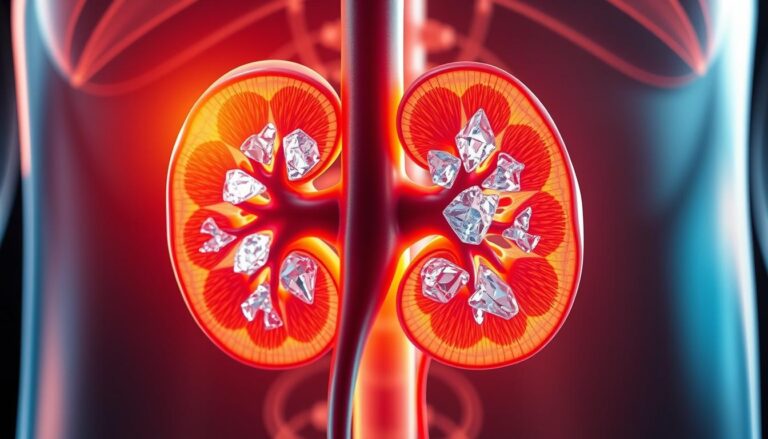
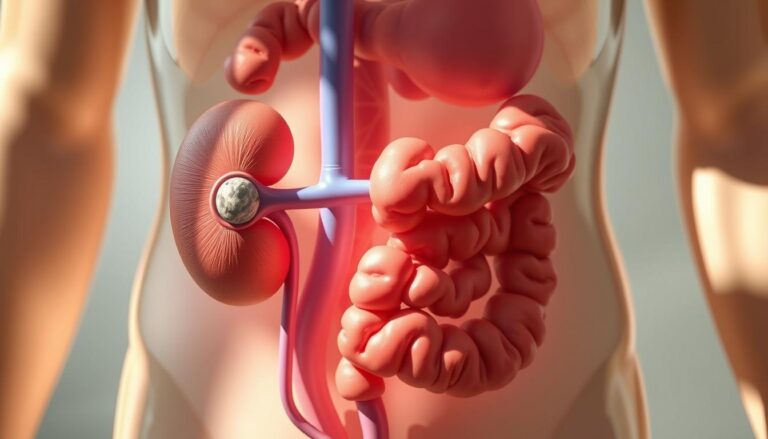
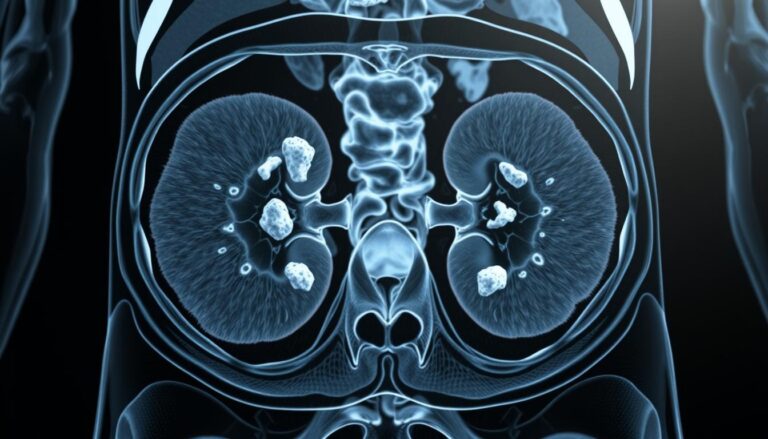
Kidney stones are hard mineral and salt deposits that form inside the kidney’s calyces or pelvis. They can either stay in place or move into a ureter, causing blockages and severe pain. This pain, along with nausea and visible blood in the urine, is a result of urinary supersaturation. When salts exceed their solubility, crystals grow and can aggregate into stones.
What Kidney Stones Are And Where They Form
Stones start as tiny crystals in the kidney’s collecting system. Over time, they can grow or break free, moving into the ureter. This movement often triggers intense, colicky pain, leading many to seek emergency care across the United States.
Common Types Of Stones With Emphasis On Calcium Oxalate
The main types of stones include calcium oxalate, uric acid, struvite, and cystine. Calcium oxalate is the most prevalent, forming when urinary oxalate binds with calcium. Dietary oxalate is a key factor in preventing these stones. Uric acid stones are more common in acidic urine, while struvite stones are linked to infections. Cystine stones are rare, resulting from a genetic disorder.
| Stone Type | Main Cause | Typical Prevention Focus |
|---|---|---|
| Calcium Oxalate | High urinary calcium or oxalate; crystallization | Balanced kidney stone diet, adequate calcium with meals, limit excess oxalate |
| Uric Acid | Low urine pH and high uric acid | Alkalinize urine, moderate purine-rich foods, hydration |
| Struvite | Infection with urease-producing bacteria | Prompt infection treatment and sometimes surgical removal |
| Cystine | Genetic cystinuria causing high cystine excretion | Low-sodium diet, high fluid intake, medications in some cases |
Key Biological And Lifestyle Factors That Cause Stone Formation
Dehydration is the leading cause of stone formation. Low urine volume concentrates salts, increasing the risk of crystallization. Obesity and metabolic syndrome also alter urine chemistry, favoring stone formation.
Diet is critical. High sodium increases calcium excretion, while excess sugar and animal protein can lead to stone-promoting urine. Adequate calcium intake is often recommended to prevent oxalate absorption.
Genetics and certain medical conditions also play a role. Hyperparathyroidism, intestinal diseases, and some medications raise the risk. About 30% of those who form a stone will have another within five years, highlighting the need for personalized prevention.
Does Tea Cause Kidney Stones
Tea is often at the center of a debate: does it lead to kidney stones or is it safe for most? The response hinges on the type of tea, how it’s prepared, and the individual’s diet. While tea does contain oxalate, the risk increases with other factors.
Oxalate In Tea: Levels In Black, Green, White, And Herbal Teas
Oxalate levels vary across different teas. Black tea generally has more oxalate than green or white teas. Iced tea, made from concentrated brew, can be a significant source of oxalate in one serving. Herbal teas, like chamomile or peppermint, have little to no oxalate compared to true Camellia sinensis leaves.
How Dietary Oxalate Contributes To Calcium Oxalate Stones
Oxalate from the diet is absorbed in the gut and ends up in urine. Here, it can bind with calcium, forming calcium oxalate crystals. Low urine volume or high urinary calcium increases this binding risk. A balanced diet that includes calcium with oxalate-rich foods can help prevent this.
Contextual Risk: Why Tea Alone Is Rarely The Sole Cause
Tea’s link to kidney stones is part of a broader context. Drinking enough water and consuming enough calcium usually prevents stones from tea alone. Factors like dehydration, high sodium, sugary drinks, and metabolic issues play a bigger role.
For those with a history of calcium oxalate stones, tea can add to the risk. To mitigate this, opt for teas with lower oxalate levels, avoid concentrated iced teas, and consume calcium-rich foods with tea to reduce oxalate absorption.
Tea Consumption And Kidney Stone Risk In Population Studies
Large cohort studies have explored the link between tea consumption and kidney health across diverse populations. These analyses aim to uncover patterns that connect beverage habits with kidney stone risk factors and overall renal outcomes. It’s important to consider cultural, preparation, and measurement differences when comparing results.
Summary Of Large Cohort Findings
The China Kadoorie Biobank, a notable study, followed 502,621 adults for 11.1 years on average, recording 12,407 kidney stone events. After adjusting for age, smoking, diet, and other factors, higher tea intake was linked to lower stone incidence. Those drinking seven or more cups daily had a hazard ratio near 0.73 compared to non-tea drinkers. The study also found inverse links for higher fruit intake and moderate alcohol use.
These findings contribute to the ongoing debate on tea and kidney stones in large, prospective samples.
Differences By Tea Type And By Consumption Level
Regional analyses, including the Shanghai cohorts and the China Kadoorie Biobank, distinguished green tea from other types. In several analyses, green tea drinkers showed a reduced risk signal. High and frequent consumption tended to strengthen the observed negative association across tea types in those datasets.
Western cohorts, on the other hand, report mixed results. Differences often stem from iced versus hot tea, serving size, and whether researchers measured habitual cups or brewed oxalate. These methodological gaps lead to divergent findings on whether tea causes kidney stones in non-Asian populations.
Limitations And Strengths Of Observational Evidence
Big studies’ strengths include large sample sizes, prospective follow-up, and the ability to adjust for many covariates. This lends weight to observed associations between tea consumption and kidney health.
Despite these strengths, limitations remain. Most studies rely on self-reported cups per day and cannot measure oxalate per brew precisely. Residual confounding from unmeasured dietary patterns, total fluid intake, and regional beverage customs can blur true effects. Observational designs cannot prove causation, so tea and kidney stones relationships stay associative.
| Study Feature | Strength | Limitation |
|---|---|---|
| Sample Size | Large cohorts like CKB provide statistical power | Big samples may mask subgroup effects |
| Follow-Up | Long median follow-up captures many events | Changes in habits over time are hard to track |
| Tea Type Detail | Some studies separate green, black, and others | Brewing strength and iced vs. hot rarely quantified |
| Adjustment For Confounders | Multivariable models include diet and lifestyle | Residual confounding from unmeasured factors persists |
| Outcome Measurement | Clinical records and hospital data improve accuracy | Asymptomatic stones may go undetected |
How Tea Can Both Increase And Reduce Stone Risk
Tea occupies a unique position, balancing compounds that could increase kidney stone risk against its hydrating properties. This delicate equilibrium determines how tea impacts kidney health in individuals.
Mechanisms That May Increase Risk: Oxalate Load And Concentrated Urine
Many teas are rich in oxalate, a compound linked to higher urinary oxalate levels. Consuming large amounts of strong black tea or sweetened iced tea can elevate this risk. This increase in oxalate excretion raises the likelihood of calcium and oxalate crystallization.
When tea replaces water, leading to inadequate hydration, urine concentration rises. This concentrated state enhances the formation of painful stones. Such factors are highlighted in clinical guidelines as common risk factors for kidney stones.
Mechanisms That May Lower Risk: Increased Fluid Intake And Beneficial Compounds
Tea contributes to fluid intake, potentially diluting substances that contribute to stone formation. For many, this increase in urine volume acts as a protective barrier against stone development.
Green tea, in particular, is rich in polyphenols and other beneficial compounds. These substances may offer protection against stone formation, as evidenced by lab tests and population studies. Observational data suggest a link between regular tea consumption and lower stone rates, likely due to the combined effects of increased fluid intake and a balanced diet.
Why Results Vary Across Studies And Populations
Research outcomes vary due to the diversity of tea types, brewing methods, and serving sizes. The presence of oxalate can differ significantly based on these factors. The diet accompanying tea consumption also plays a critical role, influencing risk factors such as calcium, salt, sugar, and animal protein intake.
Genetic predispositions, baseline hydration levels, and the methods used to measure intake further complicate comparisons. The net effect of tea on kidney health hinges on the balance between oxalate intake and hydration, alongside the presence of protective dietary elements. This variability explains why the impact of tea on kidney function and its association with kidney stones differ across various populations.
Which Teas Are Higher Or Lower In Oxalate
Tea and kidney stones are often linked in searches due to the varying oxalate levels in different types and preparations. For those crafting a kidney stone diet, understanding the options is key. The brewing strength, steep time, and whether the tea is iced or concentrated all impact oxalate levels per cup.
Black Tea Oxalate Content And Iced Tea Concerns
Black tea generally releases more oxalate than other true teas. Strong home brews and many commercial iced teas concentrate this oxalate, making a single serving high. Research from Loyola University highlights heavily brewed iced tea as a common source of high urinary oxalate in some patients.
Those on a kidney stone diet should be mindful of portion sizes. A large, concentrated glass can contain much more oxalate than a modest hot cup. Repeated steepings or using many tea bags increases extraction.
Green And White Tea: Generally Lower Oxalate Profiles
Green and white teas typically have lower oxalate levels than black tea. Studies in Shanghai and the China Kadoorie Biobank found neutral or protective effects of green tea on kidney health.
Brewing techniques play a role. Shorter steep times and lower leaf-to-water ratios help keep oxalate levels down. Loose leaf teas often yield a milder extraction than bagged varieties when brewed gently.
Herbal Teas And Caffeine-Free Options For Lower Oxalate Intake
Herbal infusions like rooibos, chamomile, and peppermint have negligible oxalate compared to Camellia sinensis teas. These caffeine-free options can be part of a low-oxalate, kidney-friendly diet.
Oxalate content varies by herb and processing. It’s important to check product data for exact numbers when following a strict kidney stone diet. Opting for milder brews and alternating with plain water supports balanced tea consumption and kidney health.
Practical Tips For Tea Drinkers To Reduce Kidney Stone Risk
Tea can be part of a balanced kidney stone diet when brewed and consumed with care. Small shifts in brewing, pairing, and fluid habits help manage oxalate intake. This supports overall kidney health. The guidance below focuses on moderation, hydration, and meal choices that make tea and kidney stones less likely to collide.
Moderation Guidelines: Cups Per Day For People With Stone History
Those with prior calcium oxalate stones should limit high-oxalate teas to one to two cups a day. Opt for lower-oxalate choices like green, white, or many herbal blends. For those without a stone history, moderate tea consumption fits a prevention plan when total fluids stay adequate.
Hydration Strategy: Balancing Tea With Water To Avoid Concentrated Urine
Plain water is the easiest way to raise urine volume and lower stone risk. If tea makes up much of daily fluids, add extra water. Clinicians often aim for urine volumes above two liters per day for prevention, with targets tailored to individual needs and climate.
Dietary Pairings To Lower Oxalate Absorption (Calcium With Meals)
Eating calcium-rich foods alongside oxalate-containing meals or beverages helps bind oxalate in the gut. A glass of milk or a serving of yogurt with a meal that includes tea or spinach can lower the oxalate load. Avoid cutting dietary calcium unless a clinician recommends it, as low calcium can raise stone risk.
Reducing Added Sugar And Sodium To Support Kidney Health
Sweetened iced teas and high-sodium foods increase stone risk by altering urine chemistry. Favor unsweetened or lightly flavored tea and keep sodium intake in check. Small swaps, like unsweetened iced green tea or herbal infusions, align with a kidney stone diet and better metabolic health.
Practical Brewing Tips
Shorter steep times and using less leaf per cup lower oxalate extraction. Cold-brewing reduces bitterness and can cut oxalate release compared with long, hot steeps. Watch portion sizes of commercial iced tea, where a single serving may equal multiple cups. Choosing green, white, or herbal options helps balance enjoyment with kidney stone prevention.
Dietary And Lifestyle Kidney Stone Prevention Beyond Tea
Simple habits often matter more than single foods. For those tracking kidney stone prevention, a broad plan is more effective than focusing on one beverage. Hydration, balanced meals, steady activity, and weight control together lower kidney stone risk factors. They build a resilient kidney stone diet.
Importance Of Overall Fluid Intake And Urine Volume
High fluid intake is the clearest, most consistent way to reduce stones. More urine volume dilutes minerals that can crystallize. Clinicians often set targets for urine dilution, not just a single cup count.
Chronic dehydration raises stone risk factors across climates and lifestyles. Drinking plain water between cups of tea helps offset the effects of tea on kidneys when people enjoy multiple servings daily.
Role Of Dietary Calcium, Sodium, And Animal Protein
Dietary calcium lowers intestinal oxalate absorption, so getting calcium from dairy or fortified foods fits a smart kidney stone diet. Cutting excess sodium reduces urinary calcium loss, which cuts stone risk.
High animal protein can acidify urine and increase calcium and uric acid excretion. A moderate protein pattern with plant-based choices eases those pressures without sacrificing nutrition.
Weight, Activity, And Other Modifiable Risk Factors
Body weight and metabolic syndrome raise the chance of stones. Regular activity and gradual weight loss lower that risk and improve overall kidney health.
Certain medications and medical conditions change stone risk factors. A conversation with a urologist or nephrologist helps tailor prevention, specially for people with recurrent stones.
- Favor fruits and vegetables to add citrate and fiber.
- Replace sugary drinks with water or low-oxalate herbal options.
- Pair calcium-rich foods with high-oxalate meals to limit absorption.
When Tea Should Be Limited Or Avoided
Tea can be a healthy addition to most people’s routines. Yet, there are times when it’s better to limit or avoid it. This guide will help identify who should be cautious with tea and kidney health. It also highlights symptoms that require immediate medical attention.
People With Prior Calcium Oxalate Stones And Individualized Risk
Those with a history of calcium oxalate stones should consult their urologist or renal dietitian about their beverage choices. The decision on when to avoid tea often comes up in these consultations.
Doctors often advise against high-oxalate black teas and concentrated iced tea. They might suggest smaller portions, switching to green or white teas, or consuming tea with calcium-rich foods to reduce oxalate absorption. These plans are tailored to each individual’s diet, urine results, and stone history.
Medical Conditions And Medications That Change Stone Risk
Certain health conditions can alter the risk of developing stones and affect advice on tea consumption. Conditions like chronic kidney disease, hyperparathyroidism, and enteric hyperoxaluria after bariatric surgery change how the body handles oxalate.
Some medications, such as loop diuretics or those affecting calcium levels, can also increase stone risk. In these cases, doctors provide personalized guidance on tea and kidney health as part of a broader treatment plan.
Signs That Warrant Medical Evaluation By A Urologist
Severe symptoms require immediate medical attention, not just self-management. These include intense flank pain, visible blood in the urine, fever with urinary symptoms, or repeated urinary tract infections.
Recurring stones or complex cases often lead to a metabolic workup. This may include a 24-hour urine collection and blood tests. These tests help guide prevention strategies and inform advice on tea and other oxalate sources.
| Situation | Why Limit Tea | Practical Steps |
|---|---|---|
| Prior calcium oxalate stones | Higher intestinal oxalate load can raise recurrence risk | Discuss with urologist, reduce black/iced tea, pair with calcium at meals |
| Enteric hyperoxaluria (after bariatric surgery) | Increased oxalate absorption from gut | Limit high-oxalate teas, follow dietitian plan, monitor urine oxalate |
| Chronic kidney disease | Altered kidney handling of minerals and fluids | Individualized fluid and beverage guidance from nephrology |
| On loop diuretics or similar meds | Medication changes urine concentration and calcium balance | Review meds with clinician, adjust tea intake and hydration |
| Severe urinary symptoms (pain, blood, fever) | May signal an obstructing stone or infection | Seek urgent urology care for diagnosis and treatment |
What The Experts Say: Clinical Recommendations And Research Takeaways
Clinicians combine practical advice with a focus on evidence. Urologists emphasize the importance of total fluid intake and regular monitoring. They caution against focusing solely on one drink. Yet, they note that very strong black tea or large amounts of iced tea could increase oxalate exposure for some individuals.
Urology Guidance On Beverage Choices And Iced Tea Cautions
Urology guidance on iced tea is a common topic in clinical discussions. Experts at institutions like Mayo Clinic and Loyola University suggest moderation for those with recurrent calcium oxalate stones. They advise caution with concentrated iced tea, sweetened pitchers, or excessive black tea consumption. Such habits can increase oxalate levels and should be discussed during follow-up appointments.
How Clinicians Assess Dietary Oxalate And Fluid Habits
Assessment starts with a detailed dietary history. Providers track the type of tea, cup size, brewing strength, and when it’s consumed. They often use 24-hour urine testing to measure various substances. This helps guide advice on fluid intake and dietary calcium, as well as sodium reduction and specific limits.
Open Research Questions And What New Studies Are Finding
Kidney stone research yields mixed results. The China Kadoorie Biobank found a link between higher tea intake and lower stone risk in certain groups. Clinic-based and lab studies, on the other hand, highlight oxalate concerns related to specific teas.
Researchers are exploring several questions. They aim to understand how different tea types interact with various diets. They also investigate how brewing and cup size affect oxalate content. The role of the gut microbiome, like Oxalobacter formigenes, in handling oxalate is another area of interest. They seek standardized oxalate measurements and more trials to better understand tea’s impact on kidney function.
Conclusion
Does tea cause kidney stones? The short answer is: sometimes, but not usually for most people. Tea contains oxalate, which can contribute to calcium oxalate stones in those already at risk. Factors like brewing strength, iced tea concentrates, and low fluid intake increase the risk.
Population studies, including large cohorts from China, show mixed results. Higher tea consumption and cultural drinking habits often correlate with lower stone rates. This is likely due to increased fluid intake. These findings highlight an association, not proof, making the relationship between tea and kidney stones complex.
For practical kidney stone prevention, balance is key. Stay hydrated, limit sodium and added sugar, and pair tea with dietary calcium at meals. If you have a history of stones, consider lower-oxalate or herbal teas. For recurrent or complex cases, a urologist can provide personalized advice on tea consumption and kidney health.
FAQ
Does tea cause kidney stones?
Tea is not typically the cause of kidney stones for those who drink it in moderation and stay hydrated. It contains oxalate, which can contribute to stone formation if urine is concentrated or if there are other risk factors. For most, moderate tea consumption is safe, provided it’s balanced with enough water and dietary calcium. Those with a history of calcium oxalate stones should consult their urologist about their tea intake.
What are kidney stones and where do they form?
Kidney stones are hard mineral deposits that form in the kidney’s calyces or renal pelvis. They can move into the ureter, causing pain, blood in the urine, obstruction, or infection. Stones vary in size, from tiny grains to larger stones that may require medical intervention.
What are the common types of kidney stones, and why focus on calcium oxalate?
The main types of stones are calcium oxalate, uric acid, struvite, and cystine. Calcium oxalate stones are the most common. Because dietary oxalate can be modified, focusing on oxalate in foods and beverages like tea is common advice for those prone to these stones.
What biological and lifestyle factors increase kidney stone risk?
Dehydration is a major modifiable risk factor, as it concentrates stone-forming salts in urine. Other factors include high sodium intake, excess sugar, low dietary calcium, obesity, certain medical conditions, medications, and genetics. Without preventive measures, recurrent stones are common.
How much oxalate is in different teas—black, green, white, herbal?
Black tea generally has more oxalate than many green or white teas. Herbal infusions like rooibos, chamomile, and peppermint have much less oxalate. The exact amount in each cup can vary based on leaf type, steep time, and brewing method.
How does dietary oxalate from tea contribute to calcium oxalate stones?
Dietary oxalate is absorbed and then excreted in urine, where it can bind with calcium to form crystals. High oxalate intake combined with low urine volume or high urinary calcium increases the risk of stone formation. Pairing oxalate-rich foods or drinks with calcium can reduce this risk.
If tea has oxalate, why is it rarely the sole cause of stones?
Tea’s impact depends on the total oxalate dose versus protective factors. Drinking tea in moderation, staying hydrated, and consuming enough dietary calcium generally keeps stone risk low. For those with a history of calcium oxalate stones, it’s best to discuss their tea consumption with a urologist.
What do large population studies say about tea and kidney stone risk?
Observational cohorts show mixed results. The China Kadoorie Biobank found that higher tea intake was linked to lower stone risk, possibly due to increased fluid intake and better diet. Other studies, mainly in Western settings, are less consistent. The differences in tea type, brew strength, and cultural beverage habits play a role. Observational data can’t prove causation.
Do different tea types or consumption levels change risk?
Yes. Green tea sometimes shows neutral or modestly protective associations in some cohorts. Black tea and very concentrated iced teas can deliver higher oxalate loads. Moderate regular tea intake often increases fluid volume and can lower stone risk.
What are the limitations of the evidence linking tea to stones?
Key limitations include self-reported beverage intake, variability in cup size and brewing, unknown oxalate content across preparations, and residual confounding from diet and lifestyle. Population differences in genetics and drinking patterns also complicate comparisons. Randomized trials with standardized tea preparations are lacking.
How can tea increase stone risk mechanistically?
Tea can raise urinary oxalate if brewed strong or consumed in large concentrated volumes (e.g., iced tea). If tea replaces plain water and total fluid intake is low, urine becomes concentrated and supersaturation of calcium oxalate increases. These combined effects elevate crystal formation risk.
How can tea reduce stone risk mechanistically?
Tea contributes fluids that increase urine volume and dilute stone-forming solutes. Some teas, like green tea, contain polyphenols that may have favorable metabolic effects. In populations where tea drinking boosts total fluid intake, higher tea consumption has been associated with lower stone incidence.
Why do study results vary across populations?
Variation stems from tea type (black vs. green), brewing strength, cup size, whether tea is iced or sweetened, co-consumed foods (calcium, sodium, sugar), baseline hydration, genetics, and study measurement methods. The net effect depends on oxalate dose compared with hydration and dietary protections.
Is black tea or iced tea more concerning for stone formers?
Black tea tends to have higher oxalate. Iced tea—specifically commercially prepared or very strong home-brewed versions—can be concentrated and has been highlighted by urology researchers as a higher-risk choice for calcium oxalate stone formers. Limiting concentrated iced tea is often advised.
Are green and white teas safer regarding oxalate?
Green and white teas generally have lower measured oxalate than many black teas, though brewing time and leaf-to-water ratio affect extraction. Some cohorts observed lower or neutral stone risk with frequent green tea consumption.
Are herbal and caffeine-free teas good low-oxalate alternatives?
Many herbal infusions, such as rooibos, chamomile, and peppermint, have negligible oxalate compared with true tea. They can be useful lower-oxalate options for people at risk. Oxalate content varies by herb and preparation, so product-specific information helps when needed.
How many cups of tea are safe for people with a history of stones?
Clinicians often suggest limiting high-oxalate teas (notably black or concentrated iced tea) to about 1–2 cups per day for those with prior calcium oxalate stones. Switching to lower-oxalate alternatives is recommended. Individual advice should come from a urologist or dietitian, ideally guided by a metabolic workup.
How should tea be balanced with water to prevent concentrated urine?
Ensure total fluid intake is sufficient so urine volume remains high—many clinicians target urine output above 2 liters per day, individualized to the patient. If tea is a primary fluid source, add plain water throughout the day. Frequent sips and monitoring urine color (pale straw) help maintain dilution.
Can eating calcium with tea reduce oxalate absorption?
Yes. Consuming calcium-rich foods (dairy or calcium-fortified alternatives) with oxalate-containing meals or drinks binds oxalate in the gut and lowers urinary oxalate excretion. Avoiding low-calcium diets is important unless a clinician advises differently.
Should sugary or high-sodium tea drinks be avoided?
Yes. Sweetened teas add calories and sugars that increase stone risk and metabolic disease. High sodium raises urinary calcium excretion. Minimizing added sugar and excess salt supports kidney health and stone prevention.
What broader diet and lifestyle steps prevent kidney stones beyond tea choices?
Maintain high fluid intake, eat adequate dietary calcium with meals, limit sodium and excess animal protein, favor fruits and vegetables, manage weight, and stay active. For recurrent stones, a 24-hour urine test and personalized plan from a urologist or dietitian are often recommended.
Who should limit or avoid tea?
People with prior calcium oxalate stones, those with enteric hyperoxaluria (for example after certain bariatric surgeries), people with some metabolic disorders, or patients on medications that alter calcium or urine concentration may need to limit high-oxalate teas. Individual assessment is important.
What medical conditions or medications change stone risk related to tea?
Conditions such as chronic kidney disease, hyperparathyroidism, or intestinal disorders that increase oxalate absorption raise risk. Certain drugs that affect calcium or urine volume can also influence stone formation. These cases require tailored clinical advice.
When should someone seek medical evaluation for stones?
Seek prompt care for severe flank or abdominal pain, visible blood in urine, fever with urinary symptoms, recurrent urinary tract infections, or repeated stones. Recurrent or complex stones often prompt metabolic testing (24-hour urine, blood tests) and specialist referral.
What do urologists and researchers recommend about beverages and iced tea?
Urologists emphasize total fluid intake over focusing on one beverage. Many warn that concentrated iced tea and very high intakes of black tea can increase oxalate exposure and recommend moderation for those susceptible to calcium oxalate stones.
How do clinicians assess dietary oxalate and fluid habits?
Clinicians use detailed dietary histories (tea type, cup size, brewing strength), 24-hour urine testing (volume, calcium, oxalate, citrate, uric acid), blood tests when indicated, imaging, and stone analysis when available. Counseling then targets fluid goals, dietary calcium timing, sodium reduction, and individualized restrictions.
What research questions remain about tea and kidney stones?
Unresolved issues include precise oxalate content by preparation, the net effect of different tea types across cultures, interactions with the gut microbiome (e.g., Oxalobacter formigenes), and whether tea’s polyphenols confer protection. More mechanistic and standardized studies are needed.